What to Do After a Water Leak.
Once you've shut off the water source and electricity, you may be staring at puddles and wondering, "What now?" It's time to assess the situation and begin water leak repair—and do it quickly! Wet materials can develop serious issues like mold within just 24 hours, so time is of the essence.
Understanding the Types of Water Damage
Not all water damage is created equal. There are three types of water that can cause damage:
- Clean Water: This comes from sources like rain, condensation, or leaky pipes. It’s relatively safe to clean up on your own. However, if you choose to hire professionals, the cost is about $3.75 per square foot for basic cleanup (excluding replacements).
- Gray Water: This slightly dirty water comes from appliances like dishwashers and washing machines. While it may contain some contaminants, it’s still manageable with the right safety gear. Professional cleanup costs increase to around $4.50 per square foot.
- Black Water: This is the most hazardous type, originating from sources like sewage or major floods. Contaminated with waste, bacteria, and other harmful substances, black water can cause severe health issues. Do not attempt to clean this up yourself—this is a job for the pros, with cleanup costs around $7 per square foot.
Inspect for Mold and Other Serious Issues
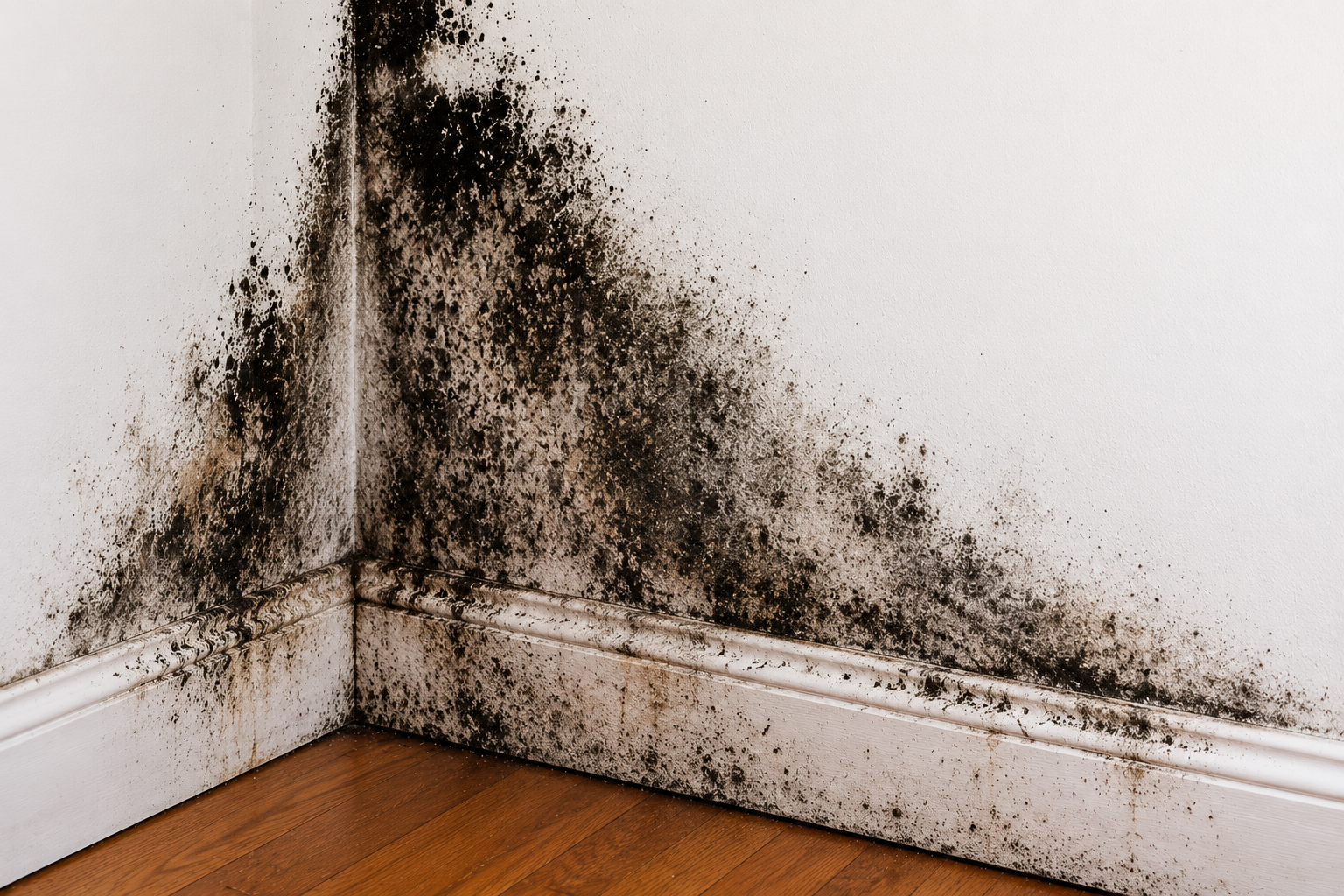
Mold can start growing in as little as 24 hours under the right conditions. If you find mold, especially in hidden areas like inside walls or under floors, you need to act quickly. Small mold issues can be handled by cutting out and disposing of the affected material. For larger infestations, shut down airflow to prevent spore spread and call a professional.
Dry Out the Affected Area
Removing moisture is crucial to prevent further damage. For small leaks, fans might be enough, but larger issues may require renting a high-capacity dehumidifier. Make sure everything is thoroughly dry before moving forward with repairs.
Remove and Replace Damaged Materials
Porous materials like carpet, insulation, and fabric may need to be discarded if soaked. Water can warp, shrink, or permanently damage these materials, making them breeding grounds for mold and mildew. Even unsealed cement, drywall, and wood are susceptible. For items you wish to save, isolate and dry them as best as possible, but be aware that the damage may already be irreversible.
Disinfect the Area
Before starting repairs, disinfect the area to kill any lingering mold spores. A bleach solution is commonly used, but there are other options available. Spray and wipe down the affected areas to ensure they’re clean and ready for repair.
Focus on Ceiling Repairs First
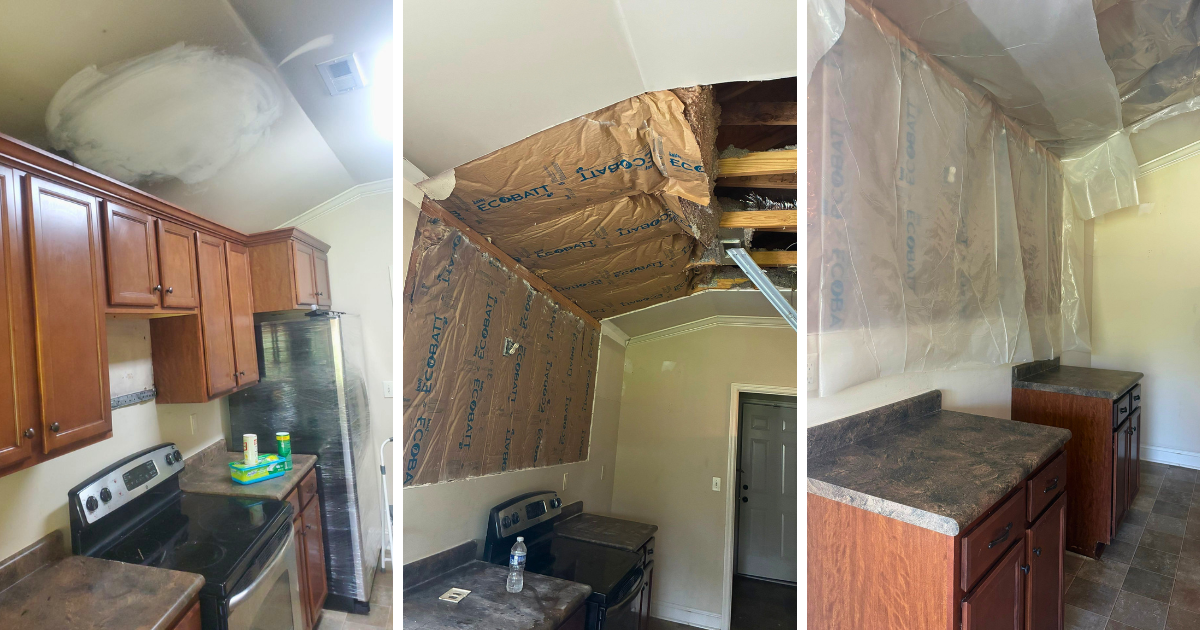
Ceilings are particularly vulnerable to water damage due to gravity. Remove damaged panels or boards to prevent sagging or collapse. If a roof leak is the culprit, track down the true source to prevent further issues. Check for structural damage to beams or rafters, and consult professionals if needed.
Replace Damaged Wood
Severely warped, rotting, or mold-infested wood needs to be replaced. Carefully pry apart damaged boards and clean underneath before installing new ones. If the wood is structural, ensure the building is properly supported during the repair process.
Install New, Waterproof Floors
Water-damaged floors are often obvious, but you should still check for trapped moisture. Damaged underlayment and padding will likely need to be removed. Take this opportunity to install waterproof flooring, such as ceramic tile, high-end vinyl, or engineered wood, to prevent future damage.
Measure and Replace Drywall
Drywall that has swelled or sagged more than 3/8 of an inch should be fully replaced. For smaller areas, you can cut out and repair the damaged section. Don’t forget to check the insulation behind the drywall for any water damage.
Inspect and Replace Exterior Siding
Roof problems can lead to water damage in siding materials. If water seeps behind the siding, it can cause permanent damage, so it’s crucial to address this quickly. Check for issues behind faux stone and other exterior walls as well.
Caulk and Paint
Once repairs are complete, finish with matching paint or stain and seal the new materials to prevent future water issues.
For Significant Damage, Check Your Insurance
For extensive damage, review your homeowner's insurance policy. Sudden incidents like burst pipes are more likely to be covered, so act quickly to make a claim if applicable.
If you experience water damage, a quick response will make all the difference. Contact ABC Cleaning and Restoration at 256-469-1410 to get your home or workplace back to normal quickly!