Navigating Property Insurance Claims: 5 Factors to Consider
Settling a property insurance claim isn't a one-time event. Unless it's a total loss scenario with an instant payout of the policy limit, the final settlement often comprises multiple smaller payments over time. Whether these payments will be sufficient to cover your losses depends on various factors, and before accepting any settlement, you must prove the following:
1. Covered Cause of Loss
While some causes of loss are obvious, like a wildfire, others may not be as clear-cut. Your property insurance policy outlines what's covered, what's excluded, and any provisions that modify the language. Pay close attention to ambiguous provisions, as courts generally interpret them in favor of the policyholder. In common policies like open-perils, coverage is presumed for all losses not explicitly excluded. Conversely, named-perils policies require specific coverage for the cause of loss.
2. Full Extent of Damages
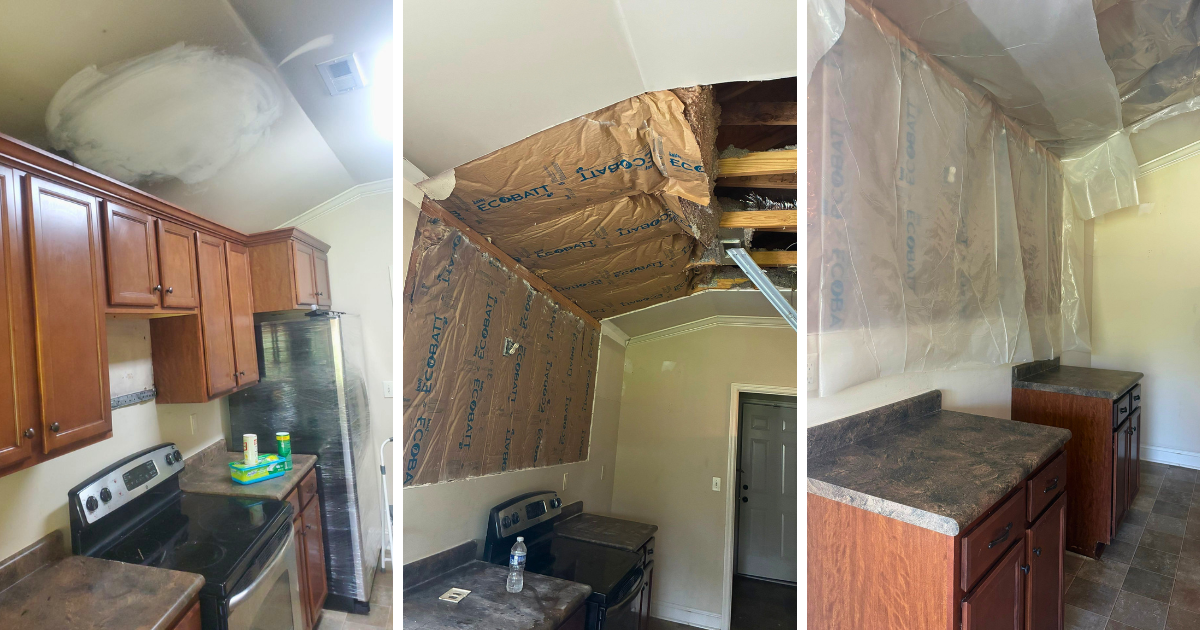
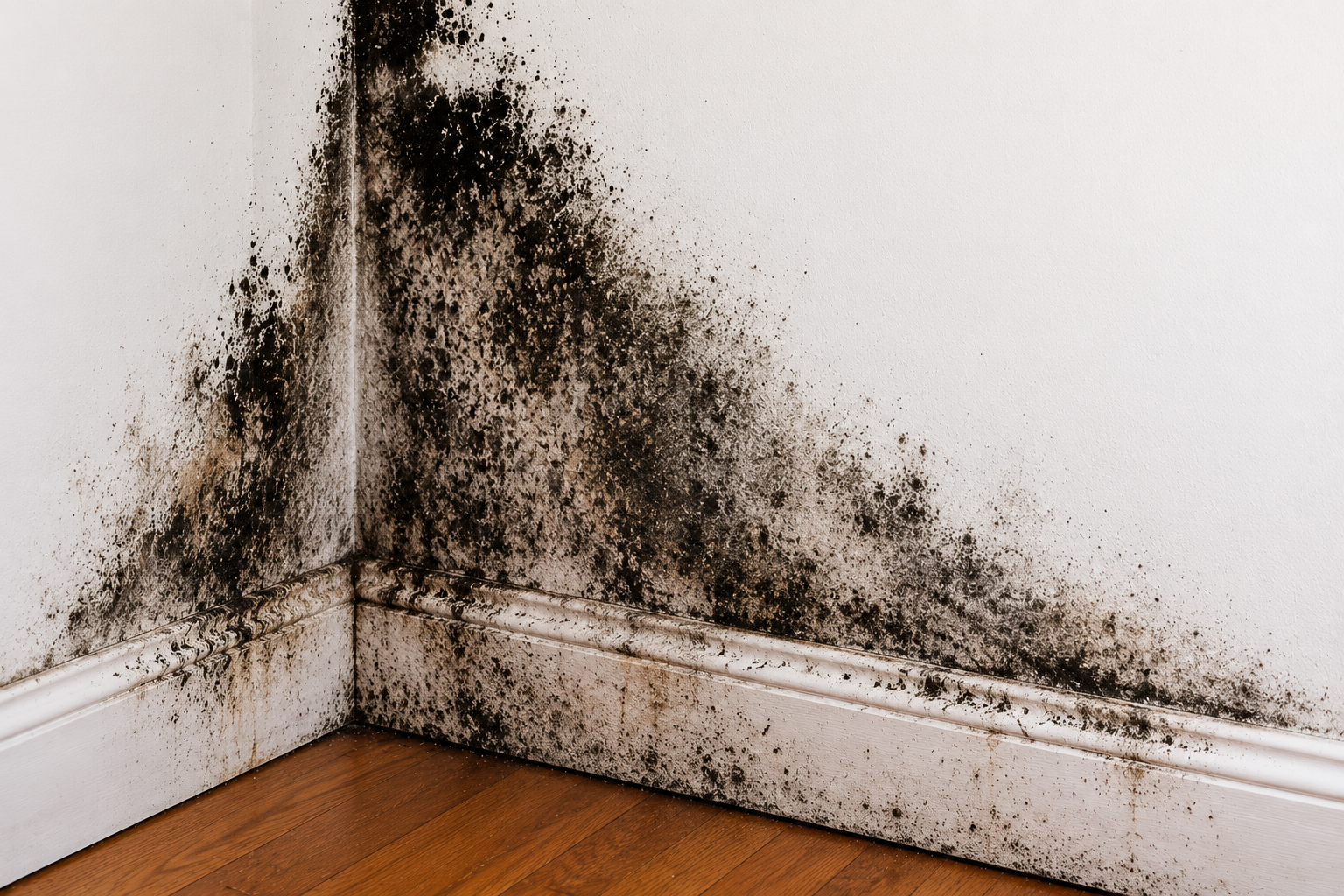
Assessing the full extent of damages can be challenging. For instance, a kitchen fire can lead to smoke, soot, and toxic fumes spreading throughout the house. Determining what's damaged, to what extent, and whether it can be cleaned, repaired, or replaced depends on various factors. Documenting the loss, conducting independent assessments, and inventorying personal property are crucial. Additionally, hidden damages, like mold growth from water damage or soot accumulation in ductwork, must be accounted for.
3. Compliance with Contractual Obligations
A homeowners insurance policy is a binding contract with obligations for both the insurer and the insured. Failing to meet these obligations can result in claim delays or denials for the policyholder, or even breach of contract lawsuits for the insurer. Policyholders must mitigate damages, notify the insurer promptly, and adhere to other contractual requirements following a loss.
4. Valuation
Valuation reflects the scope of damages and costs to repair or replace. Initial valuations from the carrier may seem comprehensive, but they're often subjective and favor the insurer. Policyholders have the right to provide their own documented scope of loss and valuations, challenging lowball offers.
5. Additional Expenses Incurred
Most policies cover additional costs resulting from the loss, such as Additional Living Expenses or Additional Costs Incurred. These coverages are subject to either a time or monetary limit.
Understanding and navigating these factors is crucial for a successful property insurance claim settlement. Be diligent in reviewing your policy, documenting damages, and advocating for fair compensation.